
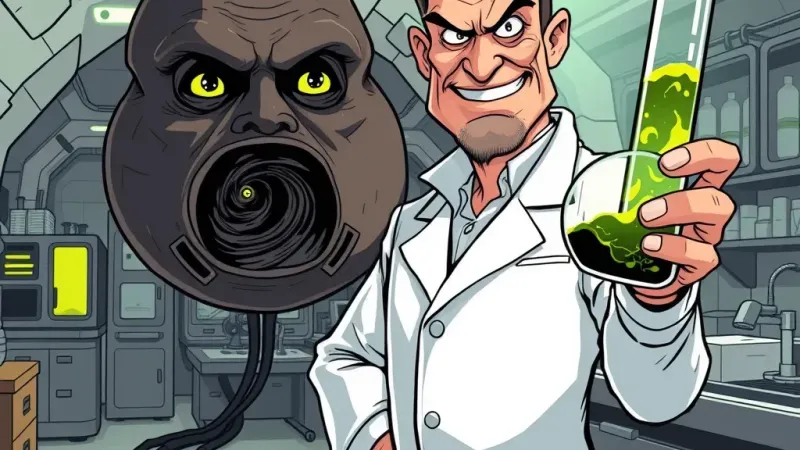
Scientists at a heavily funded laboratory announced a major breakthrough in environmental stewardship this week, successfully converting trillions of tons of unrecyclable single-use plastics into high-performance motor oil.
The process, which defies decades of conventional wisdom suggesting plastic should simply be avoided or banned, takes the indestructible polyethylene packaging from your morning smoothie and processes it into a slick, amber fluid designed specifically to reduce friction inside heavy machinery. This ensures that the exact same molecule of petroleum can now be extracted from the earth, shaped into a single-use dipping sauce cup, melted down, poured into a heavy-duty truck engine, and burned directly into the atmosphere in a seamless, unbroken circle of corporate convenience.
"For years, critics have complained that plastics are choking our oceans and filling the bellies of deep-sea creatures with microscopic fragments of forgotten yogurt containers," said lead researcher Dr. Thomas Vance, adjusting a lab coat heavily subsidized by petrochemical conglomerates. "Well, those critics can finally rest easy. We aren't getting rid of the plastic. We are simply giving it a glamorous new career path as a fossil fuel substitute. It is recycling, technically, in the sense that if you throw a burning building into a volcano, you have technically relocated the architecture."
According to the published findings, the newly minted lubricant outperforms traditional petroleum products by offering superior thermal stability and a richer, more robust concentration of permanent synthetic chemicals. Industry leaders have already praised the innovation as a masterclass in sustainability, pointing out that turning garbage into combustible fluid means we never actually have to stop extracting oil, manufacturing unnecessary packaging, or pretending that municipal recycling bins do anything other than make consumers feel morally superior while a sanitation worker dumps the whole lot into a massive landfill behind the strip mall.
The beauty of the system lies in its utter lack of ambition regarding actual waste reduction. By treating plastic not as an existential threat to the biosphere, but merely as crude oil that has temporarily taken the shape of a grocery bag, scientists have successfully solved the recycling crisis without changing a single consumer habit or corporate profit margin. It is the ultimate administrative magic trick, allowing executives to sleep soundly on mattresses stuffed with foam that will eventually outlive the mammal species that birthed them.
Environmental groups initially raised concerns that burning plastic-derived motor oil might release novel airborne toxins previously unknown to modern medicine. However, those concerns were quickly dismissed after a panel of corporate-funded economists pointed out that the gross domestic product growth generated by the new lubricant sector easily outweighs the projected loss of several coastal wetland ecosystems. Furthermore, industry representatives noted that if marine life truly minded microplastics, they would have evolved a filtration system by now, effectively placing the blame back where it belongs: squarely on the fish.
As the first barrels of single-use-fork-derived transmission fluid hit the market, researchers are already looking ahead to their next major technological hurdle: finding a way to turn the resulting exhaust fumes back into solid plastic toys that can be sold exclusively at theme park gift shops. Until then, humanity can take comfort in knowing that every single condiment cup ever produced is now actively greasing the wheels of late-stage capitalism.